

Let’s be honest, handling your own business taxes can feel like a smart way to save money. When your company is small, you might only have a few invoices, some expenses and a bank account to manage. Doing everything yourself seems practical.
But as your business grows, things start changing. You hire employees, take on bigger projects, purchase equipment or earn money from different sources. Suddenly, your taxes aren’t as simple as before. There are more records to check, deadlines to remember and rules to follow.
So, how do you know when filing your own corporate taxes is no longer the best choice? The answer isn’t always obvious. Let’s explore what makes the process complicated, which problems business owners commonly face and when professional help might make things easier.
If you’re considering professional assistance, it’s also worth understanding how corporate tax support can help you manage your growing responsibilities. Having someone review yourFor example, hiring employees means managing payroll, wages and deductions. Offering new services requires tracking different income sources. Working with suppliers in other provinces or accepting payments in different currencies adds even more details to your financial records. financial records can make the entire filing process easier to understand and manage.
Why Corporate Tax Filing Can Become More Complicated as a Business Grows
As your business grows, your corporate tax return becomes more complicated because there’s more financial activity to report. In the beginning, you might have one bank account, a few customers and only yourself to pay. Keeping track of everything feels fairly simple.
However, things change when you start hiring employees, offering new services or working with more suppliers. Each new activity brings additional financial details that need to be recorded and reported correctly. Your tax responsibilities grow alongside your business operations.
For example, hiring employees means managing payroll, wages and deductions. Offering new services requires tracking different income sources. Working with suppliers in other provinces or accepting payments in different currencies adds even more details to your financial records.

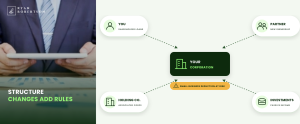
Your business structure can also affect your taxes. Maybe you bring in a partner, create a holding company, change how you pay yourself or start lending money between yourself and your corporation. These decisions can affect how your income and transactions are reported.
These changes can be useful for business growth, but they also come with specific tax rules. Loans between you and your corporation need careful handling, while the small business deduction can be affected by associated corporations or passive investment income.
And that’s where things become difficult. You’re managing more customers, employees, payments and paperwork, but there are still only so many hours in your day. What once took an evening can now take an entire weekend.
When handling your taxes starts taking time away from running your business, the DIY approach may no longer be practical. You might find yourself spending more time checking financial details than focusing on customers, employees and everyday business decisions.
How Multiple Financial Transactions Increase DIY Filing Complexity
Every business day brings financial activity. Customers send payments, suppliers receive money, employees get paid and monthly bills arrive. You might also make loan payments or purchase new equipment. Each activity adds another detail to your financial records.
Each transaction needs to be recorded correctly so your corporate tax return reflects your actual business activities. When your business handles more transactions, checking everything becomes increasingly difficult, especially when several payments and expenses happen simultaneously.
Even a small mistake can affect your financial records or tax calculations. Here are some common areas where DIY corporate tax filing can become challenging as your business handles more financial activity:
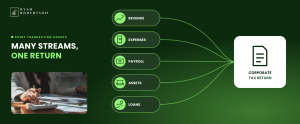
- Multiple Revenue Streams: Selling products, offering services and earning other income require separate tracking. Keeping these sources organized helps ensure every part of your business income is reported correctly and nothing important gets overlooked.
- Business Expenses: Meals, vehicle costs, software, supplies and rent follow different tax rules. Putting an expense in the wrong category can affect your financial records and make it harder to calculate your actual taxable income.
- Payroll Transactions: Paying employees means tracking wages, source deductions, benefits and year-end slips. All these details need to match your payroll records, which becomes harder when your business has several employees.
- Asset Purchases: Equipment, vehicles and computers are generally claimed over time rather than all at once. Each purchase needs the correct tax treatment, so recording the purchase date and cost is important.
- Loans and Financial Obligations: Borrowed money, repayments and interest need to be recorded separately. Only certain parts affect your taxable income, so mixing them up can cause reporting errors when preparing your corporate return.
The more transactions you handle, the harder it becomes to check everything yourself. Keeping these details organized throughout the year can save considerable time and help you avoid unnecessary confusion when preparing your corporate tax return.
Why Managing Corporate Tax Records Can Consume More Time Than Expected
Your corporate tax return depends on the records you keep throughout the year. Think about the last time you needed an old invoice or payment receipt. Could you find it within minutes, or would you spend half an hour searching?
Organized financial records make tax filing easier, while missing documents can quickly slow everything down. You need to keep track of invoices, supplier bills, bank statements, credit card statements and payroll summaries throughout your financial year.
You also need expense reports, loan statements and receipts for business assets. If something is missing, you have to find it. If two records don’t match, you need to investigate the difference before preparing your return.
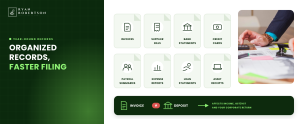
Things can become even more frustrating when you’re entering everything manually. One typing mistake or incorrectly recorded payment can affect several parts of your financial records and create additional work when you finally prepare your taxes.
For example, a bank deposit that doesn’t match an invoice could create problems with your reported income, GST/HST reporting and corporate tax return. That’s why checking your records regularly matters, rather than waiting until filing season.
The time involved is bigger than many business owners realize. A 2025 report from the Canadian Federation of Independent Business found that the average small business spent 735 hours on regulatory compliance in 2024.

Out of those hours, 256 were spent dealing with red tape, with smaller businesses carrying a heavier workload per employee. Although this covers more than taxes, financial reporting and tax paperwork contribute to the overall workload.
Think about what you could do with those extra hours. Instead of searching for missing receipts or correcting records, you could spend more time serving customers, managing employees or finding new ways to grow your business.
How Year-Round Tax Responsibilities Make DIY Filing Harder to Manage
Corporate tax filing isn’t something you only need to think about once a year. Your corporation has financial and tax responsibilities throughout the year, and keeping up with them is just as important as submitting your final return.
The CRA provides key deadlines for businesses to help business owners understand when different payments and filings are due. Knowing these dates can help you avoid last-minute paperwork and missed payments.
Here are some important responsibilities you may need to manage:

- Recordkeeping: Keep your financial records updated throughout the year. This saves you from searching through months of paperwork when your corporate tax return is due and makes it easier to check your financial information.
- Tax Instalments: Many corporations need to pay income tax in monthly or quarterly instalments. Payments are generally due by the last day of the month or quarter, depending on the payment schedule.
- Payroll Remittances: If you have employees, you must send source deductions to the CRA. Your remittance schedule depends on your remitter type and average monthly withholding, so keeping track of payment dates is important.
- GST/HST Obligations: Registered businesses must collect, report and remit sales tax. Monthly and quarterly filers generally have one month after the reporting period to file and pay their GST/HST amounts.
- Filing and Payment Deadlines: A T2 corporate tax return is due six months after the end of your fiscal year. The remaining tax balance is generally due within two months, or three months for qualifying Canadian-controlled private corporations (CCPCs).
Missing these deadlines can create extra costs. The base late-filing penalty is 5% of the unpaid tax, plus 1% for each full month the return is late, up to 12 months.
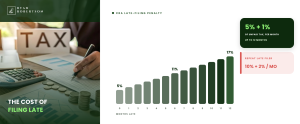
For repeat late filers, the penalty increases to 10% plus 2% per month. These additional costs can put unnecessary pressure on your business finances, especially when you’re already managing regular operating expenses.
One important thing to remember is that your tax payment deadline and corporate tax return filing deadline aren’t always the same. Mixing them up can lead to penalties and interest, even when you’ve tried to stay organized.

5 Warning Signs Your DIY Corporate Tax Process Is Becoming Overwhelming
You don’t suddenly wake up one morning and realize your business taxes have become too difficult. It usually happens gradually. You start delaying paperwork, struggle to find old records or feel stressed whenever a CRA notice arrives.
If any of these situations sound familiar, your DIY process may need a second look. Here are five signs that your business might have outgrown handling corporate taxes alone and could benefit from professional assistance.

- Frequent Filing Errors: If you regularly find incorrect figures, missing schedules or mistakes that require amended returns, your current process may need more attention than you can manage alone.
- Difficulty Keeping Up With Deadlines: Forgetting important dates or discovering an upcoming deadline at the last minute can mean you’re struggling to manage all your tax responsibilities.
- Unorganized Financial Records: If finding receipts, invoices or bank statements takes too much time, preparing an accurate tax return becomes much harder.
- Spending Too Much Time on Tax Tasks: When your evenings and weekends disappear into paperwork, you’re losing valuable time that could go towards your business, family or personal life.
- Uncertainty About Tax Requirements: Not knowing whether an expense qualifies, how to report a transaction or which tax rules have changed can make filing stressful and increase the chance of mistakes.
Do you recognize one or two of these problems in your business? That doesn’t mean you need to hand over every financial task immediately. However, it’s worth considering whether your current approach still works.
Getting professional support before small mistakes become bigger problems can make managing your corporate taxes easier. It also gives you more time to focus on everyday business activities instead of constantly worrying about paperwork.

Explore Corporate Tax Filing Support With Robertson CPA!
Professional corporate tax support helps you do more than simply submit your tax return. It gives your business better financial organization, accurate reporting and help with important deadlines. At Robertson CPA Professional Corp, corporate tax services include tax preparation, tax planning, compliance monitoring and assistance with CRA notices or audits. This support helps you manage different parts of your corporate tax responsibilities.
Understanding your taxes is just as important as getting them filed correctly. Ryan Robertson walks you through your overall tax situation before filing, helping you understand where your business stands and what you may need to plan for next. You can also explore bookkeeping and accounting, small business tax preparation and financial statement compilation.

Running a business already takes plenty of time and attention. You shouldn’t have to spend every spare evening worrying about tax forms and missing documents. Getting professional help can mean less time dealing with paperwork and more time focusing on your business. If you’re ready to make tax filing easier, contact Robertson CPA to discuss your needs and find the right support.
Frequently Asked Questions (FAQs)
Q1. Is it difficult to file corporate taxes yourself?
It can be manageable for a simple corporation, but employees, multiple income sources, assets and shareholder transactions make filing more complicated. The biggest challenge is often keeping everything accurate, organized and ready for the required reporting.
Q2. What happens if a corporation makes mistakes on its tax return?
Mistakes can lead to CRA reassessments, interest or penalties, depending on the situation. Some errors can be corrected by requesting an adjustment, so keep your supporting records and respond promptly to CRA questions.
Q3. How much time does it take to prepare a corporate tax return?
It depends on your business. A simple corporation with organized records might take a few hours, while one with payroll, multiple accounts and assets can take days to prepare properly.
Q4. When should a small business hire a corporate tax accountant?
Consider professional help when you hire employees, add revenue streams, purchase major assets, borrow money or change your business structure. If tax paperwork is taking too much of your valuable time, it’s worth getting support.