
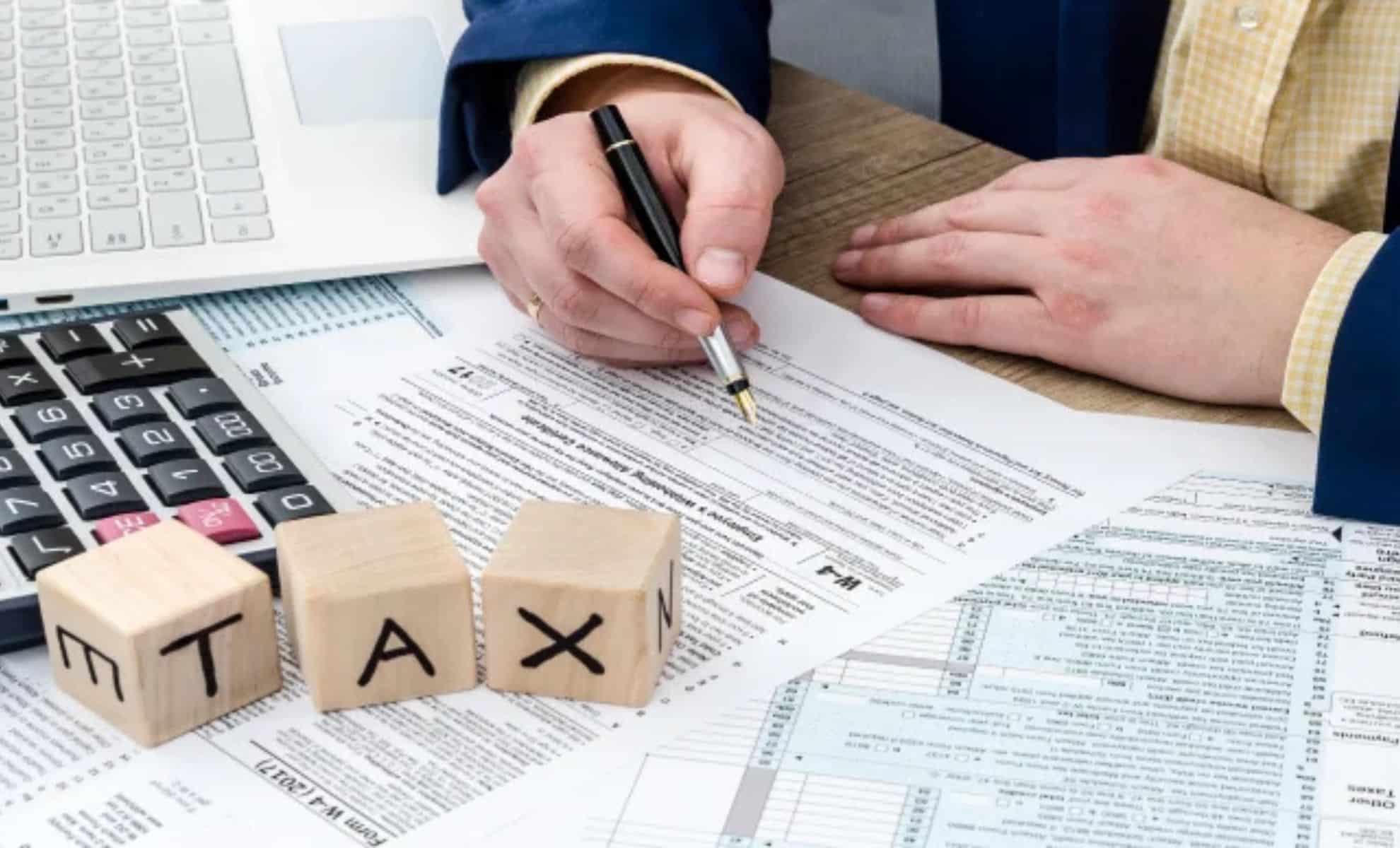
It’s a week before the personal tax filing deadline, your T4 is buried in one email, your childcare receipts are in another and you can’t find last year’s tax return. Sound familiar? For many people, tax season becomes stressful because they’re searching for missing paperwork instead of preparing their return.
Having the right documents makes a big difference. Receipts and other records can help with deductions and credits you might qualify for, and your income slips tell you how much you’ve earned. If you have all the necessary materials ready, your accountant will need less time to find and compile the necessary information to prepare your return.
So, what documents should go in your tax folder and what if they are missing? Let’s go through the documents you may need based on your income, family situation and other financial activities. Also, we will discuss what to expect as a first time filer and what the CRA can do if you are missing tax slips.
Which Personal Information Should You Gather Before Filing Your Taxes?
Include your personal information first. Your accountant requires accurate information in order to find you, complete your return and ensure it reflects your CRA data. These documents have sensitive information, so make sure to store them securely and only share with trusted individuals.
Before collecting your financial paperwork, be sure that you have the following information on hand:
- Social Insurance Number (SIN): You need your SIN to file your personal tax return, so please make sure you have a secure copy of your SIN number or your SIN card with you.
- Date of birth: This information is used for identification and to help verify the eligibility for certain age credit or benefits.
- Current address: Your new address is used to ensure that CRA correspondence and benefit-related mail are reach to you.
- Marital status: Your marital status may influence some tax credits, benefit calculations and benefit amounts you may be claiming for a spouse or common-law partner.
- Direct deposit details: Your banking information is used to directly deposit an eligible tax refund into your account.
- Spouse or common-law partner information: You may need this information to determine certain credits and benefits, such as your spouse’s SIN and net income.
- Dependants’ information: Have the names of eligible children or other dependants, their date of birth and their SINs.
This information helps your accountant get a better picture of where to begin and prevents delays from a lack of personal information.
What Income Documents Do You Need for a Personal Tax Return?
Your income documents reflect the money you received throughout the tax year. There are various slips offered by employers, financial institutions and government programs, based on income sources. All income taxable must be declared on your tax returns, including those that may not have been issued as of yet.
The first step is to gather the documents that are relevant to you, such as:
- Employment income (T4): Collect a T4 slip from all employers where you’ve worked during the year. It displays your earnings and the income tax withheld from your earnings.
- Pension income (T4A or T4A(P)): These slips will show you some of the pension income or Canada Pension Plan (CPP) benefits that you received this year.
- Investment income (T5): Provide T5 slips for interest and dividend income from eligible non-registered investments.
- Other income slips: Employment Insurance (EI) benefits appear on a T4E slip, Registered Retirement Savings Plan (RRSP) and Registered Retirement Income Fund (RRIF) withdrawals are reported on a T4RSP or T4RIF slip.
- Self-employment income records: Maintain a record of the work that you do outside of a regular employment situation, including any invoices, sales records and payment summaries.
- Rental income statements: Write the rent you received and the expenses you paid to maintain and operate your rental property.
- Foreign income documentation: Maintain statements and tax slips of foreign income, since Canadian residents are required to report foreign income as well.
Once you’ve collected these documents, compare them with your financial records to make sure no income source has been overlooked.
Which Receipts and Records Are Needed to Claim Tax Deductions and Credits?
While income slips contain information about your earnings, supporting receipts will determine what deductions and tax credits you may be eligible for. These documents are important as you may be required to provide evidence of an expense if a claim is made by the CRA.
Typically one does not need to include all receipts on a tax return. But it is important to keep the supporting documents neat and handy. Collect documents for:
- Eligible childcare expenses.
- Medical expenses.
- Charitable donation receipts.
- Union or professional dues.
- Moving expenses, where applicable.
- Tuition slips (Form T2202).
- Other education-related records.
Maintain these records in one place so your accountant can easily review them and identify which expenses are eligible for CRA.
What Documents Do Self-Employed Individuals Need for Personal Taxes?
As a self-employed person, your business income and expenses are a part of your personal income tax return. This requires income slips from an employer, and more. You need to be able to account for the revenue that your business made and the expenses you incurred to create that revenue.
For instance, a freelance designer should monitor payments from clients, software subscriptions, purchase of equipment and other business expenses. With these facts organized, you can easily arrive at your net business income accurately. To complete your return, you will need the following records:
- Business income records.
- Sales invoices.
- Expense receipts.
- Bank statements.
- Mileage logs.
- Home-office expense records.
- Asset purchase records.
- GST/HST records, where applicable.
These records help your accountant understand your business activity and separate personal spending from business expenses. They also make it easier to support the amounts reported on your return.
What Additional Tax Documents May Students, Parents and Retirees Need?
Your individual situation may vary, so your required tax documents may differ. Different income slips may be provided to students, parents and retirees or they may be eligible for certain deductions and credits. The main thing is to collect documents that pertain to you rather than documents that you may not need.
If any of these situations apply to you, check the following records:
- Tuition slips: Form T2202 issued by your college or university, listing the tuition fees that are eligible for the year.
- Scholarship or bursary information: Educational amounts received during the year in the form of scholarships, bursaries or grants.
- Student loan interest records: Statements showing interest paid on eligible government student loans.
- Childcare receipts: Details of receipts issued by the childcare provider, including the total amount paid for eligible childcare and their name.
- Eligible dependant information: Personal information and supporting documents for a dependant (child or family member) who you financially support and for whom you might be able to claim.
- Benefit or custody details: Any child benefit information or custody arrangements, if applicable.
- Pension slips: T4A, T4A (P) or T4A (OAS) slips indicating eligible pension and government benefit income.
- RRSP or RRIF income slips: T4RSP or T4RIF slips that show withdrawals and payments from registered retirement plans.
- Other retirement income records: Records of income from annuities or other retirement plans.
Not all documents will apply to all. Evaluate your situation and collect the records you have that correspond with your income, family responsibilities and financial activities.
Do You Need Investment, Property, or Foreign Income Documents to File Your Taxes?
Yes, if you have income from investments, rentals or outside Canada, you will need supporting documents for these activities. These records enable your accountant to accurately report the income, determine gains and losses, and allow you to determine if there are any expenses that qualify for reporting.
For investments, gather T5 slips with your interest and dividend income. If you’ve sold stocks, mutual funds or other investments, hold onto the purchase and sell confirmations. These records can be used to determine your capital gain or loss as they will indicate how much you paid and how much you received at the time you sold the property.
The records for a rental property must be separate. Record the rents received and the running costs including maintenance, insurance and other deductible expenses. Both sides are important for determining your net rental income, and if you don’t keep records, it may impact the net income reported on your rental return.
Foreign income must be addressed as well. Most Canadians include income from both inside and outside Canada on their income tax returns, so make sure to keep all foreign income statements and tax slips with your other financial statements.
If you own certain foreign property, you might have other reporting requirements. If you were a Canadian resident and owned specified foreign property that had a total cost of more than $100,000 at any time during the year, you may have to file a T1135. The reporting requirement depends on the type and cost of the property, as well as your tax residency.
What Should You Do If a Tax Slip or Required Document Is Missing?
If the tax slip has not been issued, then the income does not need to be excluded, and there’s no need to hurry at the last minute to get everything sorted out. There are a number of places to get the information you need, your first being your CRA account.
As per the CRA, if a tax slip doesn’t arrive, you should reach out to your employer or the financial institution in question. It’s also possible to check the documents you’ve on the web and confirm the sum to report with valid documents. If you don’t have any of these, you might want to use one of these:
- CRA My Account: View your account to see if you have any outstanding tax slips. It is possible to transfer information that the CRA already has on file with Auto-fill My Return, however, since it does not include documents that have not been submitted.
- The issuer: Contact your employer, bank or financial institution to obtain a duplicate of the missing slip.
- Pay stubs and statements: When it comes to income, rely on valid payment records, and financial statements rather than skipping it on your return.
- Professional guidance: If the information is incomplete or hard to prove, or if it represents multiple income streams, consult a CPA.
The bottom line is to work with missing information prior to filing. Double checking figures can help to avoid mistakes and the need to correct your return later.
How Can You Organize Your Tax Documents Before Filing?
The best time for tax season is now, as in getting your paperwork organized in advance. Don’t find out what you have, don’t search through emails, folders, and paper receipts, keep it in easily labelled categories. Then ensure that the values on the receipts are correct with the income slips. It is not necessary to have a complicated filing system. Begin with the following 6 basic categories:
- Personal information.
- Income slips.
- Deductions and credits.
- Investments and property.
- Special circumstances.
- Secure document storage.
Digital copies can be stored in folders, and labeled, or a physical filing system could be used if you prefer paper. Simply take care to ensure your documents are easily found and secure from unauthorized access.
Keep in mind, just because you filed your return does not mean that you can now discard everything! The CRA’s record-keeping guidance covers the length of time to retain supporting documents and what records businesses and individuals might need to retain.
When Should You Get Professional Help With Your Personal Tax Return?
Filling out a tax return can be a simple task for some individuals but it can be complex for others. If you’ve got a number of income sources, rental properties, investments, or company earnings, a CPA will clarify which paperwork must be submitted and how various quantities of income ought to be reported.
Robertson CPA Professional Corp. is a personal tax preparation company in Ontario for people with varying finances. It can be particularly helpful to seek professional assistance if you’re experiencing:
- Self-employment income: Business income and expenses requiring extra notes and work.
- Rental properties: Rental income, rental operating expenses and property-related records requiring careful reporting.
- Foreign income: Earned outside Canada and any extra reporting needs that may arise.
- Investment sales: Capital gains and losses which are based on correct purchase and sale records.
- Multiple income sources: Several slips and statements that makes it easier to overlook an amount.
- Uncertainty about deductions: Queries about possible expenses and credits you could be eligible for.
These situations can be made easier to deal with by getting professional help. Your CPA will be able to look over your papers and will be able to tell you what tax aspects are pertinent and assist you in getting your tax return done based on the information you have.
Grab Your Tax Documents & Let Us Handle the Rest
Getting your tax documents together is an important first step, but you don’t have to figure out every tax detail on your own. Robertson CPA Professional Corp helps individuals across Ontario prepare both basic and more complex personal tax returns, including returns involving self-employment, rental properties, farm income and investments.
Ryan Robertson and the team take the time to understand your financial situation, review your documents and prepare your return with care. Pricing is explained upfront, with no hidden fees and you receive clear explanations so you understand what is included in your return.
If you’re dealing with a CRA notice or outstanding tax returns, the team can also help you communicate with the agency and understand the steps involved. You don’t have to manage every detail alone.
Ready to get your personal tax return sorted? Explore our personal tax preparation services in Ontario, then contact us online to book a consultation and discuss your tax needs.
Bring your documents, ask your questions and let our team help make tax season easier to manage.
Frequently Asked Questions (FAQs)
Q1. Do I send my receipts to the CRA when I file?
Usually, no. You report the eligible amounts on your tax return and keep your receipts as supporting documents in case the CRA requests them. The CRA generally requires you to keep supporting records for 6 years.
Q2. What is the deadline to file personal taxes in Canada?
Most individuals must file their personal tax return by April 30. If you or your spouse or common-law partner are self-employed, the filing deadline is generally June 15, but any balance owing is still due by April 30. Check the CRA’s 2026 tax deadlines for the applicable dates.
Q3. When do tax slips like the T4 and T5 arrive?
Most employers and financial institutions must issue T4 and T5 slips by the end of February. Some other slips, including certain trust and partnership statements, may arrive later. If a document is missing, check CRA My Account or contact the issuer before completing your return.
Q4. Can the CRA fill in parts of my return for me?
Yes. The CRA offers Auto-fill My Return, which imports available tax information directly into certified tax software. You’ll still need to enter details that aren’t included in your CRA records, such as certain childcare, medical and moving expenses, so keep those receipts nearby.